
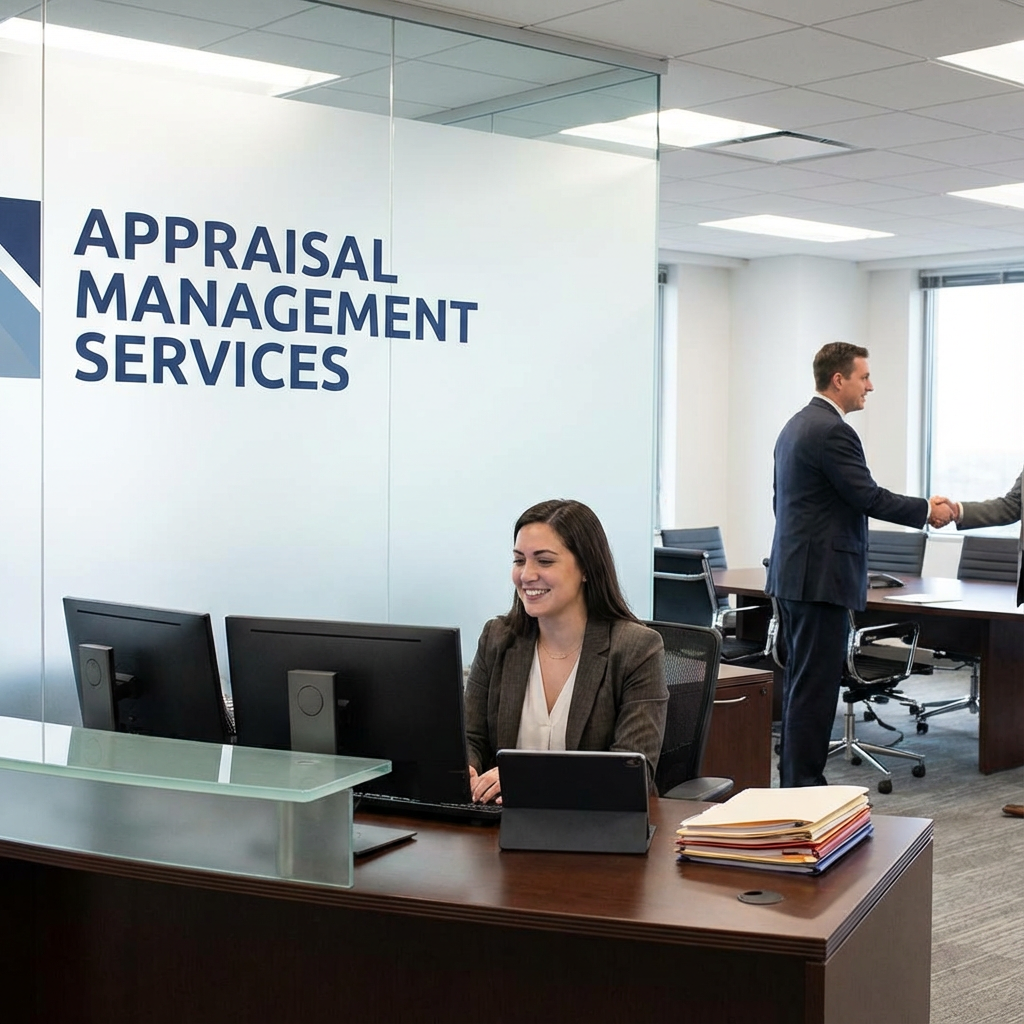
Not all appraisal management companies operate the same way. Some chase speed. Others invest heavily in technology. But the AMCs that lenders return to year after year are the ones that get compliance right. As an
appraisal compliance AMC, R3 AMC was built on a simple principle: when compliance is strong, everything else falls into place—faster closings, cleaner audits, and reports that hold up under scrutiny.
If you have worked in lending or appraisal operations for any length of time, you have seen what happens when compliance breaks down. Delayed loans, confusing reports, last-minute UCDP rejections, or audit findings that surface at the worst possible moment. These problems do not just slow down one file—they erode the trust your team has worked hard to build.
With UAD 3.6 changes taking effect in late 2026 and regulatory expectations shifting, compliance has never mattered more.
What Compliance Really Means for an Appraisal Management Company
Compliance is not a checkbox exercise or an afterthought bolted onto existing processes. For AMCs, compliance means understanding and consistently applying state licensing laws, federal lending guidelines, Fannie Mae and Freddie Mac requirements, and appraisal independence standards across every single file.
In practice, strong AMC compliance shows up in specific operational areas:
- Appraiser assignment protocols that verify licensing, geographic competency, and experience level before every order
- Deadline and status tracking systems that meet regulatory expectations for documentation and delivery formats
- Conflict of interest screening and appraisal independence requirements built into the workflow—not handled manually
- Pre-submission quality control that catches errors before they trigger UCDP rejections or underwriting conditions
When an AMC is founded by practicing appraisers—as R3 AMC was—this compliance mindset runs deeper. We have seen firsthand what happens when unclear processes create delays, rework, and frustration for everyone involved. That experience shaped how we built our systems from day one.
How Compliance Directly Impacts Lender Trust and Report Quality
When an appraisal compliance AMC operates the way it should, the results show up in measurable ways. Reports are cleaner. Documentation is complete. There is no ambiguity about who did what or whether proper procedures were followed.
Here is what lenders often encounter when working with AMCs that treat compliance as secondary:
- Poor appraiser-property matching that leads to reports with questionable local market knowledge
- Missing or incomplete documentation in final packages that triggers underwriting conditions
- Higher rates of UCDP rejections that delay closings and frustrate borrowers
- Audit findings that surface months later, creating unexpected compliance exposure
These problems ripple beyond the appraisal itself. They disrupt entire loan pipelines, strain relationships with borrowers and real estate agents, and create the kind of surprises that operations managers dread.
“Compliance is not about slowing things down. It is about building the kind of foundation that lets everything else move faster—because you are not constantly fixing preventable problems.”
— Brent Jones, CEO and Founder, R3 AMC
The Hidden Cost of Choosing the Wrong AMC
It is tempting to evaluate AMCs primarily on turnaround time. Speed matters—but speed without compliance is a liability waiting to surface.
We have seen lenders face consequences like:
- Last-minute report rejections that push closings back days or weeks, damaging borrower relationships
- Resubmission cycles that waste staff time and create friction with real estate agents waiting on clear-to-close
- Missed audit triggers that lead to costly investigations or remediation requirements from investors
- Reputation damage when loan officers lose referral partners due to preventable appraisal delays
The pressure intensifies during peak seasons when pipelines are full and everyone is working to close files before rate locks expire or market conditions shift. One unexpected compliance issue can stall a deal and undo months of relationship building.
Every AMC claims to be careful. The difference is whether they can demonstrate it through consistent results and transparent processes.
What Strong Compliance Looks Like in Daily Operations
Compliance-first operations are visible in everyday interactions—not just in marketing language. Lenders and appraisers who work with a truly compliant AMC notice specific patterns:
- Regular internal audits that identify process gaps before they become problems—not just annual checkbox reviews
- Proactive communication about regulatory changes, updated UCDP requirements, and form modifications
- Comprehensive appraiser onboarding that covers compliance expectations—not just portal login instructions
- Accessible feedback channels that allow issues to be flagged and resolved quickly
- Dedicated account management that ensures questions are answered by someone who knows your workflow
These practices may not be flashy features to advertise, but they are what separate AMCs that consistently perform from those that create unpredictable results.
Why Lenders Stick with Compliance-Focused AMCs
Trust is built through consistent execution, not promises. When lenders know the AMC handling their files takes compliance seriously, they can move loans forward with confidence instead of bracing for surprises.
Strong compliance looks like:
- A smooth audit with no unexpected findings
- A clean handoff from appraiser to reviewer to lender
- A report that closes without underwriting conditions or borrower complaints
- A pipeline that moves predictably without compliance-related bottlenecks
This is what keeps lenders coming back. Not the fastest turnaround claim or the most aggressive pricing—but the confidence that files will be handled correctly from start to finish.
The R3 AMC Difference: Appraiser-Owned, Compliance-Built
R3 AMC was founded by Brent Jones, a practicing appraiser with over 30 years of experience and a former senior analyst for Fannie Mae covering the Western United States. That background shapes everything about how we operate.
As an appraiser-owned AMC, we bring deep industry understanding to every interaction:
- Every appraisal order is supported by a dedicated account manager who ensures questions are resolved quickly and lenders stay informed throughout the process
- Our leadership team includes practicing appraisers who stay hands-on with regulatory shifts, UAD updates, and industry changes
- Our Heads-Up program provides early warning on potential value issues so loan officers and agents are never blindsided by appraisal gaps
- We serve as a preferred beta tester for UAD 3.6 giving our clients advance preparation for the mandatory changes coming in November 2026
We designed our systems so that doing things right the first time saves everyone time later. Process design, documentation flow, and internal reviews are all built to support consistency where it matters most—in the file, at underwriting, and during audits.
Ready for an AMC That Puts Compliance First?
When you need an appraisal compliance AMC that goes beyond checklists and genuinely supports your lending workflow, R3 AMC is ready.
Request a compliance consultation to discuss how our approach can support your team from order placement through closing. Let’s talk about what cleaner closings and smoother audits could look like for your operation.
[Contact R3 AMC] [Request a Consultation] [Learn About Our Services]
Frequently Asked Questions About AMC Compliance
What makes an AMC ‘compliance-first’?
A compliance-first AMC builds regulatory requirements, quality control, and appraisal independence standards directly into its operational workflows—rather than treating them as separate review steps. This means compliance is verified throughout the process, not just checked at the end.
How does compliance affect appraisal turnaround time?
Strong compliance actually improves effective turnaround time by reducing rejections, resubmissions, and underwriting conditions. While the initial report delivery might be comparable, compliant files close faster because they do not get stuck in correction cycles.
What should I look for when evaluating an AMC’s compliance practices?
Look for evidence of internal audit processes, clear communication about regulatory updates, comprehensive appraiser vetting procedures, and documented quality control workflows. Ask about their UCDP first-submission acceptance rate and how they handle appraisal independence requirements.
How will UAD 3.6 changes affect AMC compliance requirements?
UAD 3.6 introduces approximately 150 new or modified data fields and becomes mandatory for all UCDP submissions in November 2026. AMCs will need updated systems, retrained staff, and revised quality control processes. Working with an AMC that is already preparing—like R3 AMC as a preferred beta tester—helps ensure a smooth transition.
If you would like to discuss this more with us please reach out to https://r3amc.com/